

Dumpster Rental Long Island | Smart Waste Management
Maximize Your Waste Management Efficiency on Long Island with Expert Dumpster Rental Services
Effective waste management on Long Island begins with clear planning, the right container, and predictable logistics that keep projects on schedule and compliant with local rules. This guide explains how professional dumpster rental and strategic waste planning reduce costs, save time, and limit environmental impact across Nassau, Suffolk, and Long Island boroughs. Readers will learn which dumpster types suit specific projects, how commercial programs streamline operations, residential best practices for home renovations, and practical steps for handling construction debris and recycling. The article also covers cost drivers and transparent pricing practices, delivery and placement preparation, and concise answers to the most common rental questions. Throughout, we reference local operational realities and provider practices that improve efficiency without replacing the technical guidance you need to choose the right service. With an emphasis on practical checklists, comparison tables, and actionable tips, this resource helps contractors, property managers, and homeowners plan waste removal that meets both budgetary and sustainability goals.
What Dumpster Rental Options Are Available on Long Island?
Choosing the correct dumpster type on Long Island depends on project scale, material type, and access limitations; container selection affects handling, costs, and recycling options. Roll-off dumpsters, mini and small units, and heavy-duty construction containers all serve distinct roles because of size, weight capacity, and placement flexibility. Selecting the right option reduces trips, minimizes weight overages, and ensures that recyclable streams are separated when possible. Below we compare common roll-off sizes and outline typical use cases to help you narrow choices before confirming a rental.
Which Roll-Off Dumpster Sizes Best Fit Your Project Needs?
Roll-off dumpster sizes are expressed in cubic yards and map directly to typical projects, enabling rapid selection for renovations or cleanouts. A 10-yard roll-off fits small cleanouts and single-room projects with moderate weight, while 20-yard units suit kitchen remodels and medium renovations that generate bulky mixed debris. Larger 30- and 40-yard containers accommodate whole-house renovations, multi-room demolition, and commercial loads where volume and heavier materials are expected. Matching size to project reduces cost by avoiding extra hauls and prevents weight surcharges by selecting heavier-duty containers when needed.
Introductory size-to-project heuristics help determine what to order and avoid unnecessary upsizing. Understanding this relationship leads naturally to considering compact mini and small dumpsters for tight residential sites and light commercial uses.
How Do Mini and Small Dumpsters Serve Residential and Light Commercial Waste?
Mini and small dumpsters provide maneuverability for driveway placement and short-term projects where a full roll-off would be excessive. These containers are ideal for garage cleanouts, small kitchen or bathroom remodels, and light commercial tasks like small retail renovations because they protect surfaces and can be placed with minimal disruption. Driveway protection pads and precise placement reduce surface damage risk and make loading safer for homeowners and light crews. When site access is limited, mini dumpsters allow frequent pickups or swaps to maintain workflow without occupying space for extended periods.
Recognizing mini containers’ benefits brings into focus when heavy-duty options become necessary for high-weight debris and large-scale demolition.
What Are the Benefits of Heavy-Duty and Construction Dumpsters?
Heavy-duty and construction dumpsters are engineered for high-weight loads such as concrete, brick, roofing shingles, and dense demolition debris, offering thicker steel, reinforced gates, and higher weight thresholds. Using heavy-duty containers reduces the number of trips required for dense materials and improves site safety by containing sharp or irregular items designed for heavy hauling. These containers also enable contractors to consolidate waste streams for specialized disposal and recycling facilities. When projects involve structural demo or large volumes of rubble, choosing heavy-duty units prevents costly overage charges and streamlines hauling logistics.
Understanding heavy-duty benefits highlights the need for proper scheduling and permit planning for larger containers on public property or constrained sites.
| Dumpster Size | Typical Project Types | Typical Max Weight |
|---|---|---|
| 10-yard | Small cleanouts, garage or attic declutter, minor renovations | 2–3 tons |
| 20-yard | Kitchen/bath remodels, small home additions, medium landscaping | 3–4 tons |
| 30-yard | Whole-home renovation, large roofing projects, light commercial | 4–6 tons |
| 40-yard | Major demolition, large commercial projects, heavy debris loads | 6+ tons |
This size comparison helps streamline selection and reduce both under- and over-ordering; next, we examine how commercial programs leverage container selection to optimize waste management efficiency.
How Can Commercial Dumpster Rental Improve Waste Management Efficiency on Long Island?
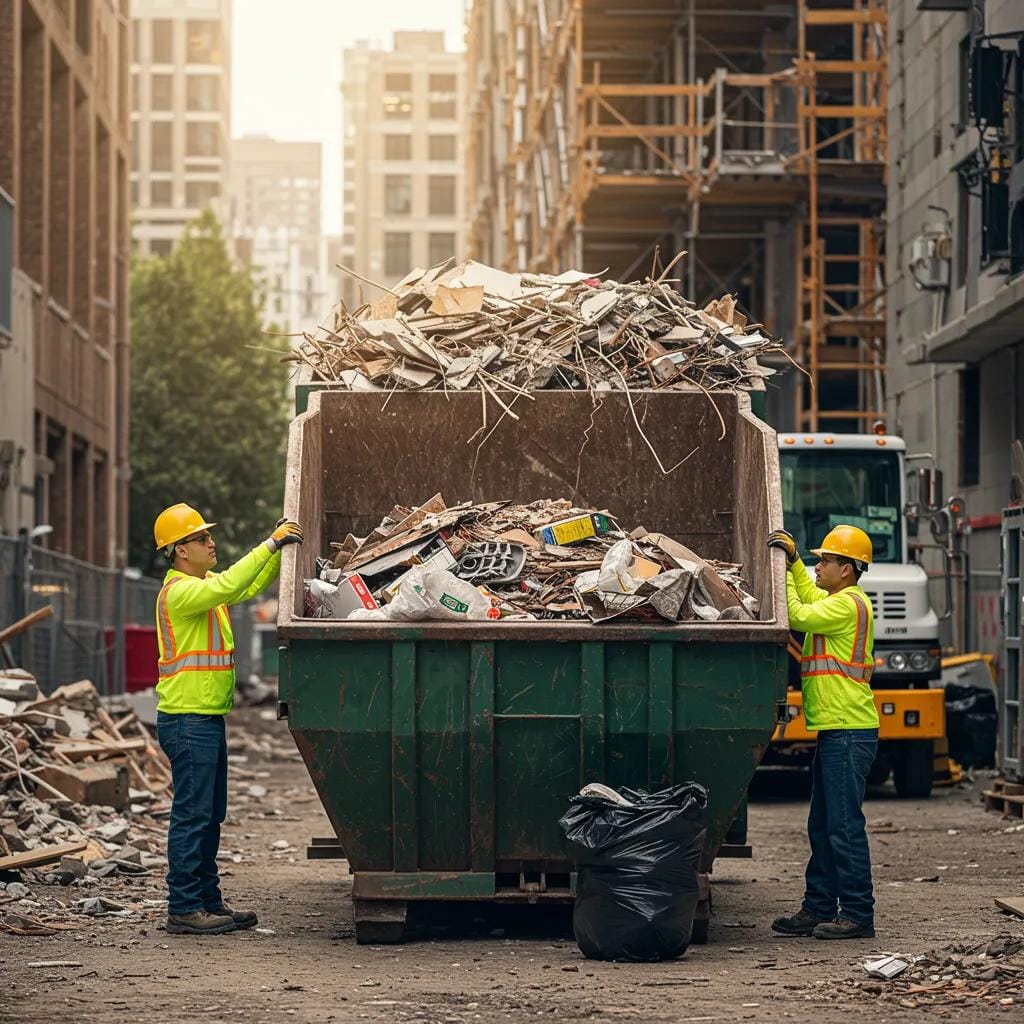
Commercial dumpster rental improves efficiency by standardizing pickup cadences, sizing containers to match waste streams, and reducing on-site clutter that slows operations. Businesses that adopt scheduled services experience predictable disposal budgets and fewer emergency hauls, which lowers downtime and administrative burden. Segregating recyclables and organics from general waste further reduces disposal costs while enhancing sustainability. Implementing these practices requires coordination of container sizing, routing, and staffing—factors that directly impact operational efficiency and regulatory compliance.
Optimized commercial programs lead into a breakdown of common commercial waste streams and how targeted service options address those needs.
What Waste Types Are Common in Commercial Dumpster Services?
Commercial waste streams commonly include packaging and corrugated cardboard, general office refuse, light construction debris from tenant fit-outs, and sorted recyclables like metal and cardboard. Proper segregation at source reduces contamination and improves recycling recovery, which in turn lowers disposal fees and regulatory scrutiny. Some materials require specialized handling—oily rags, batteries, and certain electronics—that must be diverted to appropriate facilities to avoid fines and environmental harm. Clear waste-type categorization enables efficient routing and matching of container types to load characteristics.
Clarifying commercial waste types prepares businesses to select containers and service frequencies that align with their operational rhythms.
How Does PCI Contracting Inc. Tailor Services for Long Island Businesses?
PCI Contracting Inc. tailors commercial rental plans through fast local delivery, flexible container sizing, and scheduling designed to match business cycles and minimize downtime. Their local expertise enables route optimization across Nassau and Suffolk counties, which shortens wait times and improves pickup reliability. Services often include driveway protection and extended rental options so businesses can maintain continuous operations during phased renovations or seasonal peaks. These operational advantages help businesses maintain predictable waste budgets and reduce workflow interruptions that occur with ad-hoc hauling.
Highlighting tailored services naturally leads to cost considerations and how businesses can control expenses through smart planning.
What Are the Cost Factors for Commercial Dumpster Rentals?
Commercial pricing depends on container size, waste type and weight, pickup frequency, permit requirements for street placement, and distance to local disposal or recycling facilities. Volume-based rates and weight overages are common drivers, while special waste streams can trigger surcharges due to handling or disposal constraints. Businesses can reduce costs by increasing recycling separation, using compaction where appropriate, and right-sizing containers to avoid frequent skips. Transparent itemization of these factors helps finance teams forecast monthly waste budgets and control variability.
| Cost Factor | How It Affects Price | Example / Range |
|---|---|---|
| Dumpster Size | Larger units have higher base rates | 10–40-yard range affects base fee |
| Waste Type | Special handling increases surcharges | Construction debris vs. household waste |
| Weight Overage | Excess tonnage triggers per-ton fees | Per-ton surcharge after included allowance |
| Permit Fees | Required for public right-of-way placement | Municipal permit costs vary by town |
| Distance/Fuel | Longer hauls increase transport charges | Hauler distance impacts fuel surcharge |
Itemizing cost drivers clarifies where savings are possible, and the next section turns to residential best practices for homeowners to reduce costs and property impact.
What Are the Best Practices for Residential Dumpster Rental on Long Island?
Residential dumpster rentals demand careful size selection, property protection, and clear understanding of permitted materials to keep projects on schedule and avoid damage. Homeowners should measure access points and plan placement that minimizes driveway encroachment and preserves neighbors’ access. Protecting surfaces with pads and selecting appropriate container height reduces loading difficulty and surface marks. These practices combine to make residential waste removal predictable, safe, and cost-efficient.
The first residential consideration is matching dumpster size to the home project, which prevents unnecessary expense.
How to Choose the Right Dumpster Size for Home Cleanouts and Renovations?
Select dumpster size based on room counts, expected material types, and project duration; a one-bedroom cleanout often fits a 10-yard unit, while a full kitchen remodel may need a 20-yard dumpster. Consider weight limits when disposing of materials like tile or concrete—these may require a heavier-duty container despite lower volume. Account for access constraints and whether the dumpster must be placed on the street, which can affect permit needs. Using a simple volume heuristic reduces the risk of ordering the wrong size and facing additional pickup or swap fees.
Understanding permitted materials follows naturally, as certain items require alternative disposal routes.
What Items Are Allowed or Prohibited in Residential Dumpsters?
Most residential dumpsters accept general household junk, wood, drywall, and non-hazardous renovation debris, but hazardous materials are prohibited and must be handled separately. Common prohibited items include solvents, pesticides, tires, rechargeable batteries, and certain electronics that require special recycling streams. Homeowners should plan diversion pathways for these items, such as municipal hazardous waste days or specialized recyclers, to stay compliant and avoid surcharges. Clear separation of recyclable materials like cardboard and metal can also reduce disposal costs and improve landfill diversion rates.
Knowing prohibited items helps homeowners prepare on-site protections and rental duration expectations to maintain convenience.
How Does Extended Rental Period and Driveway Protection Enhance Convenience?
Extended rental periods offer flexibility for phased renovations and projects with intermittent work, reducing the need for multiple orders and lowering overall handling charges. Driveway protection—using wooden planks, rubber pads, or provider-supplied mats—prevents stains, scratches, and ice-related movement, preserving finish and avoiding repair claims. Choosing an extended schedule with considerate protection reduces stress by allowing homeowners to work at their own pace while ensuring the container does not damage property. Planning these elements ahead of delivery ensures smoother placement and pickup operations.
Practical preparation for delivery follows from driveway protection choices and timing considerations.
How to Efficiently Manage Construction Debris Removal on Long Island?
Construction debris requires coordinated staging, appropriate container selection, and adherence to local permit rules to maintain site safety and productivity. Efficient debris removal minimizes on-site hazards, speeds material flow, and reduces rework caused by cluttered work areas. Planning the rotation of dumpsters, scheduling pickups to coincide with work phases, and coordinating with local recycling facilities for concrete, metal, and wood improves overall project timelines. The following table clarifies disposal requirements and recycling options for common construction waste types to guide onsite decisions.
| Waste Type | Disposal Requirement | Recycling Option |
|---|---|---|
| Concrete | Specialized disposal due to weight | Crush & recycle into aggregate |
| Roofing Shingles | Bulk disposal; may have landfill restrictions | Some facilities accept for recycling |
| Wood & Lumber | Can be recycled if uncontaminated | Process into mulch or biomass |
| Metal | High-value recyclable material | Recycle at scrap yards for diversion |
This waste-type mapping highlights when specialized dumpsters or processing are necessary, and leads into common construction-specific practices for container logistics.
What Types of Construction Waste Require Specialized Disposal?
Concrete, brick, asphalt, and heavy masonry demand containers rated for greater weight and often require transport to crushing or aggregate recycling facilities because of disposal restrictions. Roofing materials and certain treated woods may be handled differently depending on local landfill acceptance and recycling programs. Hazardous materials—paint, solvents, asbestos-containing materials—require certified removal and cannot be placed in standard dumpsters. Recognizing these categories early prevents costly re-handling and ensures compliance with municipal waste directives.
Following waste categorization, logistics for roll-off deployment and rotation determine site efficiency.
How Do Roll-Off Dumpsters Facilitate Large-Scale Construction Projects?
Roll-off dumpsters serve as staging points for sequential demolition and enable crews to maintain clear workspaces by rotating full containers out and replacing them with empties timed to project phases. Properly sized and scheduled roll-offs minimize delays by keeping debris flowing off-site rather than accumulating, and frequent rotation reduces onsite congestion that can cause safety incidents. Coordination with haulers to optimize routes and pick times can prevent idle equipment and allow predictable budgeting. Efficient roll-off usage supports continuous progress and connects site-level decisions to disposal facility capabilities.
Effective staging and rotation bring attention to permit needs when placing containers on public rights-of-way.
What Are Local Permit Requirements for Dumpster Placement in Construction Zones?
Permits are commonly required when a dumpster occupies the public right-of-way, blocks sidewalks, or influences traffic flow; municipal authorities set application procedures and fees that vary across Long Island towns. Typical permit steps include submitting a placement plan, proof of insurance where required, and paying a short-term fee for street placement. Lead time matters—permits can take days to process—so incorporating permit checks into early project planning prevents last-minute work stoppages. Keep a checklist ready for permit triggers and required documentation to streamline approvals.
With permits and logistics in hand, sustainable waste practices reduce environmental impact and often save money.
How Do Eco-Friendly Waste Solutions Maximize Sustainability on Long Island?
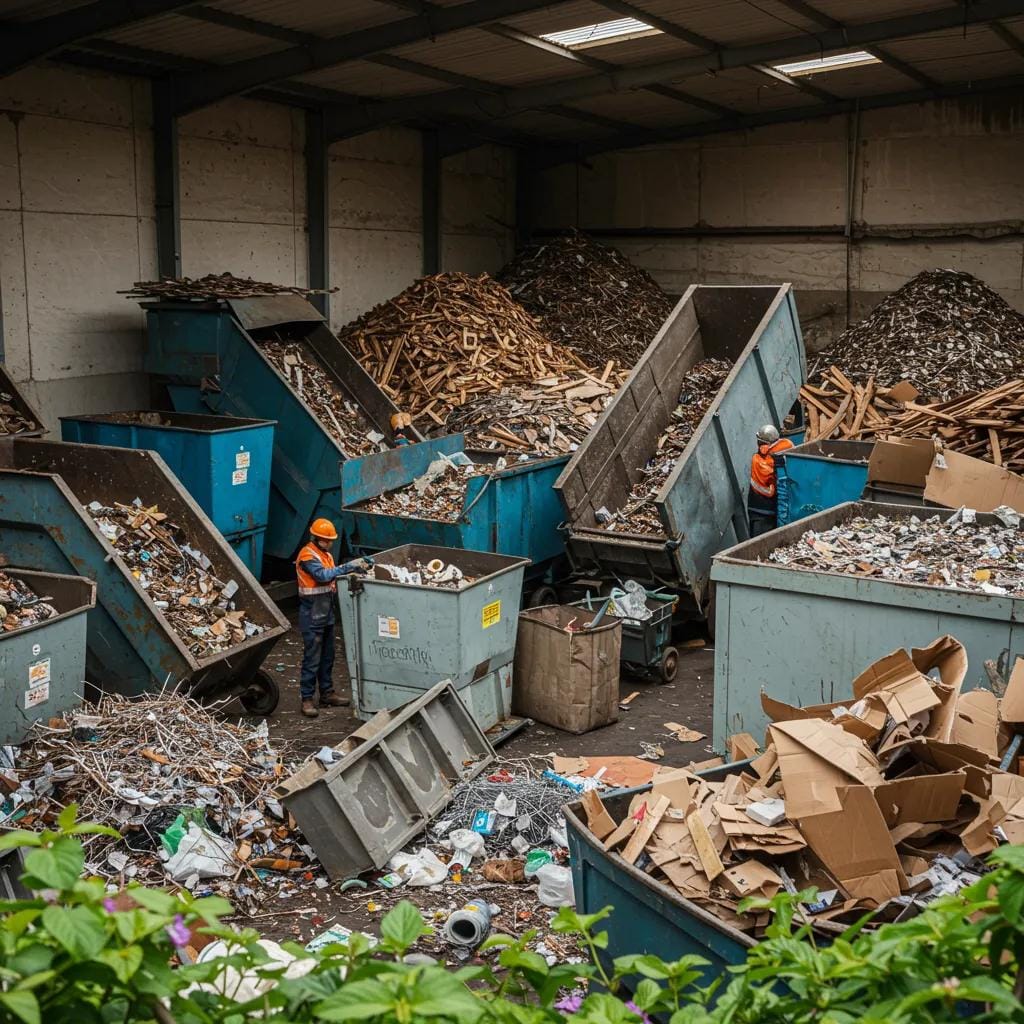
Eco-friendly waste solutions reduce landfill burden and can lower disposal costs by diverting high-value recyclables and reusing materials on-site or through local partners. Source separation—sorting metal, concrete, wood, and cardboard at the job site—improves recycling rates and reduces contamination that would otherwise render loads non-recyclable. Partnering with local recycling centers and choosing providers that prioritize landfill diversion supports municipal waste reduction goals and can produce measurable diversion metrics for clients. These practices align operational efficiency with environmental responsibility for contractors and homeowners alike.
Next, we outline common recycling streams providers may offer and how each material is processed.
What Recycling Services Does PCI Contracting Inc. Offer for Different Waste Types?
PCI Contracting Inc. supports material-specific recycling streams—such as metal, concrete, wood, and cardboard—by routing separated loads to appropriate processing facilities to maximize landfill diversion. By offering sorting guidance and container options tailored to recyclable streams, the provider helps customers reduce waste costs and meet sustainability targets. Combining recycling services with transparent reporting enables clients to quantify diversion outcomes and potentially claim reduced disposal expenses. This kind of partnership strengthens local circular economy connections and makes sustainable choices operationally viable.
Recycling streams are effective when combined with onsite behaviors that prioritize separation and reuse.
How Can Sustainable Waste Practices Reduce Environmental Impact?
Source separation and reuse reduce the volume of material sent to landfills, lower greenhouse gas emissions associated with hauling, and conserve finite resources through material recovery. Reclaimed concrete and metal find new life in infrastructure projects, while clean wood can be chipped and repurposed, cutting demand for virgin materials. These practices also reduce disposal costs by avoiding mixed-waste surcharges and enhancing the value recovered from recyclable streams. Promoting reuse on-site—salvaging fixtures or lumber—further extends material life cycles and supports project-level sustainability goals.
Identifying local partners and municipal programs strengthens the capacity to scale recycling and diversion efforts across Long Island.
What Partnerships Support Long Island’s Recycling and Waste Reduction Goals?
Partnerships with regional recyclers, municipal waste programs, and specialized processing facilities enable providers to route materials efficiently and capture higher diversion rates. Formal agreements with local facilities guarantee capacity for specific streams like concrete crushing or metal recycling, while municipal collaborations can simplify permit processes for broader initiatives. These partnerships also create data-sharing opportunities to track diversion metrics and demonstrate measurable sustainability outcomes for clients. Establishing these networks enhances both compliance and the economic case for recycling investments.
Understanding sustainability options naturally leads back to the cost factors that influence rental decisions and transparent pricing practices.
What Are the Key Factors Affecting Dumpster Rental Costs on Long Island?
Dumpster rental costs on Long Island hinge on size, waste type, locality-specific permit needs, weight overages, and any expedited service requirements; managing these drivers keeps budgets predictable. Transparent pricing—showing base rates, included tonnage, and potential surcharges—helps customers avoid surprises and plan projects with confidence. Other factors include distance to disposal facilities and whether specialized handling or recycling streams are needed. Below is a table that itemizes cost factors and how they influence final pricing to support clearer budget forecasting.
| Cost Driver | How It Affects Price | Example Impact |
|---|---|---|
| Base Rate (Size) | Sets starting fee for container rental | Larger units increase base fee |
| Waste Type | Determines handling and disposal charges | Construction debris vs. household waste |
| Weight Overage | Additional per-ton fees after allowance | Heavy loads incur surcharges |
| Permit & Placement | Municipal fees for public placement | Adds to total project cost |
| Expedited Delivery | Rush fees for next-day service | Premium charge applies |
Breaking down these drivers helps customers estimate expenses and consider cost-control measures such as recycling or right-sizing containers.
How Is Pricing Determined Based on Dumpster Size and Waste Type?
Pricing combines a base rental fee tied to container size with included tonnage; excess weight typically triggers per-ton surcharges that vary by material type. Special waste types—wet concrete, soil, regulated materials—may require separate disposal facilities and correspondingly higher fees. Distance from the project to the disposal or recycling center can add transport charges or fuel surcharges. Transparent quotes that show base fees, included weight, and surcharge rates enable better comparison shopping and minimize unexpected charges.
Clarity on pricing mechanics makes awareness of hidden fees more actionable when requesting quotes.
What Are Common Hidden Fees and How Does PCI Ensure Transparent Pricing?
Common unexpected fees include weight overages, fuel surcharges, municipal permit costs, and contamination penalties when prohibited items appear in a load. PCI Contracting Inc. addresses these issues through clear quote itemization, explaining included allowances and potential surcharges in advance to reduce surprises at invoicing. Asking for an itemized estimate and specifying waste types upfront helps both parties avoid costly misunderstandings. Transparent pricing practices improve trust and make it easier to compare bids from different providers based on equivalent scopes.
Explaining pricing transparency sets up expectations about service speed and flexible scheduling options.
Can You Schedule Next-Day Delivery and Flexible Rental Periods?
Next-day delivery is often feasible for local providers with available inventory and routing capabilities, but it depends on demand, traffic, and permit constraints for street placement. Flexible rental periods are commonly offered to accommodate phased projects, with extension options available subject to provider policies and scheduling windows. Planning lead times and communicating placement requirements increases the likelihood of expedited fulfillment and reduces conflicts with local permit timelines. When immediate delivery is required, confirm availability and any rush fees to avoid operational delays.
Scheduling and delivery considerations lead into practical site-preparation steps that optimize placement and protect property.
How to Prepare for a Dumpster Rental Delivery and Maximize Efficiency?
Preparing a site for delivery prevents delays and property damage, ensuring pickups occur on schedule and projects stay on track. Key preparations include clearing access paths, measuring for overhead obstructions, confirming placement location, and protecting surfaces with pads or planks. Informing neighbors or homeowners associations when placing a dumpster on the street avoids conflicts and reduces permit or placement complications. The checklist below outlines essential pre-delivery actions and sequencing to streamline both residential and commercial drop-offs.
- Confirm dimensions and placement: Measure driveway or placement area and check overhead clearance.
- Clear access: Remove cars and obstacles; ensure turning radius for delivery trucks.
- Protect surfaces: Place pads or planks under dumpster feet to prevent damage.
- Check permits: Determine if street placement requires municipal approval and secure permits early.
- Separate recyclables: Pre-sort metal, cardboard, and concrete to reduce contamination and cost.
Following this checklist reduces delays and prepares the site for safe delivery and pickup operations.
What Steps Should Homeowners and Contractors Take Before Delivery?
Homeowners and contractors should verify placement location, confirm dumpster size fits the intended area, and clear obstructions such as low-hanging branches or parked vehicles. Confirming the rental period and pickup windows prevents misunderstandings and ensures timely removal when the project phase completes. Place protective materials under the dumpster footprint and mark the zone to prevent accidental vehicle or foot traffic interference. Early coordination with neighbors and any required municipal offices minimizes permit delays and ensures a smooth arrival.
How Does PCI Protect Driveways and Property During Dumpster Use?
PCI Contracting Inc. uses driveway protection methods like pads, timbers, or protective mats to distribute weight and avoid surface marks, combined with careful placement strategies to minimize turning and placement stress. Providers often brief drivers on property constraints and select container types with dimensions that reduce overhang and scraping risks. Clear documentation of placement plans and instructions for loading practices also decreases the chance of damage during the rental period. Such precautions build homeowner confidence and support smooth pickups without costly restoration work.
What Should You Do If Your Dumpster Fills Up Before Project Completion?
If a dumpster fills early, options include scheduling a swap (removal of the full unit and delivery of an empty), ordering an additional container, or reducing debris by separating recyclables for off-site processing. Evaluating the remaining workload and material types helps determine whether a swap or additional unit is most cost-efficient. Planning for potential early fill-ups—especially when disposing of dense materials—avoids mid-project interruptions. Discussing contingency plans with your provider during booking speeds response times and reduces downtime.
Being prepared for capacity changes connects directly to common customer questions about prohibited items, rental periods, and booking.
What Are the Most Common Questions About Dumpster Rental on Long Island?
Customers frequently ask about prohibited items, standard rental durations, and how to obtain an accurate quote; answering these clearly reduces confusion and speeds project start. Short, direct responses help readers find the right container and understand procedural requirements for placement and disposal. Below are concise answers to common queries designed for quick reference.
What Items Cannot Be Disposed of in a Dumpster Rental?
Typical prohibited items include hazardous chemicals, solvent-based paints, certain batteries, pesticides, and regulated electronic waste that require hazardous waste channels and cannot be accepted in standard dumpsters. Tires and regulated medical waste also fall into categories that need specialized handling. Customers should separate these materials before pickup and use municipal or specialized collection programs to dispose of them properly. Proper segregation prevents contamination penalties and ensures compliance with local disposal rules.
Clarifying prohibited items leads to questions about typical rental durations and extension policies.
How Long Is the Typical Dumpster Rental Period?
Typical rental periods commonly range from one week to two weeks as a default window, with many providers offering extensions for ongoing projects subject to scheduling and availability. Extensions may incur additional fees based on daily or weekly rates, and longer-term rentals should be agreed upon at booking to secure container availability. Planning rental duration around project milestones avoids unnecessary extension charges and ensures timely pickups. Clear communication with your provider about expected timelines reduces surprise fees.
Knowing rental duration expectations makes it easier to request an accurate quote by providing necessary project details.
How Do You Request a Quote or Book a Dumpster Rental with PCI Contracting Inc.?
To request a quote or book service with PCI Contracting Inc., prepare project details including service location (Long Island area), desired dumpster size, expected waste types, and preferred rental period so providers can produce an accurate, itemized estimate. Asking for a transparent quote that lists base rates, included weight, potential surcharges, and permit considerations helps compare options and prevents surprises. Providing prospective pickup dates and any placement constraints speeds scheduling and helps secure fast delivery. For immediate planning, include projected project timelines and material breakdowns when requesting a quote to get tailored recommendations.
- Prepare project details: Location area, dumpster size, waste type, rental duration.
- Request itemized estimate: Base fee, included weight, surcharges, permit needs.
- Confirm placement rules: Driveway protection, permit status, and delivery timing.
These steps ensure a streamlined quoting and booking process while minimizing unexpected charges and delays.
Frequently Asked Questions
What are the environmental benefits of using dumpster rental services?
Using dumpster rental services can significantly reduce environmental impact by promoting recycling and proper waste disposal. By sorting materials at the source, such as separating recyclables from general waste, you can enhance recycling rates and minimize landfill contributions. Many rental companies also partner with local recycling facilities, ensuring that materials like metal, wood, and concrete are processed responsibly. This not only conserves resources but also lowers greenhouse gas emissions associated with waste transportation and disposal.
How can I ensure compliance with local waste disposal regulations?
To ensure compliance with local waste disposal regulations, familiarize yourself with the specific rules in your area regarding permitted materials and dumpster placement. Contact your local waste management authority for guidelines on hazardous materials and any necessary permits for placing dumpsters on public property. Additionally, working with a reputable dumpster rental service can help, as they often have experience navigating local regulations and can provide guidance on compliant practices.
What should I do if I need a dumpster for a long-term project?
If you need a dumpster for a long-term project, discuss flexible rental options with your provider. Many companies offer extended rental periods or the ability to swap out full containers for empty ones, allowing you to maintain a continuous workflow. Be sure to communicate your project timeline and any anticipated changes in waste volume to ensure that your rental plan aligns with your needs and avoids unnecessary costs.
Can I place a dumpster on the street, and what are the requirements?
Yes, you can place a dumpster on the street, but it typically requires a permit from your local municipality. The requirements for obtaining a permit can vary by location, so it's essential to check with your town or city’s regulations. Generally, you will need to submit a placement plan and possibly pay a fee. Planning ahead is crucial, as permit processing can take several days, and you want to avoid delays in your project.
What are the best practices for loading a dumpster efficiently?
To load a dumpster efficiently, start by breaking down large items to maximize space. Place heavier materials at the bottom and lighter items on top to maintain balance and prevent overloading. Avoid overfilling the dumpster, as this can lead to additional fees and safety hazards. Additionally, try to keep the load evenly distributed to facilitate safe transport. Organizing your waste by type can also help streamline the disposal process and improve recycling rates.
How can I reduce costs associated with dumpster rental?
To reduce costs associated with dumpster rental, consider right-sizing your container to avoid overage fees and unnecessary rental charges. Separate recyclables from general waste to minimize disposal fees, as many recycling facilities charge less than landfills. Additionally, plan your project timeline carefully to avoid extending your rental period longer than necessary. Communicating clearly with your rental provider about your needs can also help you find cost-effective solutions tailored to your project.
What should I do if I have hazardous materials to dispose of?
If you have hazardous materials to dispose of, do not place them in a standard dumpster. Instead, check with your local waste management authority for proper disposal methods. Many municipalities offer special collection days for hazardous waste or have designated facilities for safe disposal. Items like batteries, paints, and chemicals require specific handling to prevent environmental harm and comply with regulations, so it's crucial to follow local guidelines for safe disposal.
Conclusion
Maximizing waste management efficiency on Long Island is achievable through expert dumpster rental services that cater to diverse project needs. By selecting the right container and implementing strategic waste planning, you can reduce costs, save time, and minimize environmental impact. Understanding the nuances of dumpster sizes, types, and local regulations empowers homeowners and businesses alike to make informed decisions. Start optimizing your waste management today by exploring our comprehensive dumpster rental options.