

Dumpster Rental Rules Long Island | Key Rules to Know
Top Dumpster Rental Rules Every Long Island User Must Follow
Navigating the world of dumpster rental in Long Island can be complex, especially with the various regulations and guidelines that users must adhere to. This article aims to provide a comprehensive overview of the essential rules and compliance guidelines that every user should follow when renting a dumpster. By understanding these regulations, users can avoid potential fines and ensure a smooth rental experience. The focus will be on key regulations, required permits, and practical tips for choosing the right dumpster size and placement. Additionally, we will explore the importance of environmental compliance and how to ensure responsible waste disposal practices.
Essential Regulations and Compliance Guidelines for Dumpster Rental in Long Island
Understanding the essential regulations and compliance guidelines for dumpster rental in Long Island is crucial for both residential and commercial users. These regulations are designed to ensure public safety, environmental protection, and efficient waste management. Compliance with these rules not only helps avoid fines but also promotes responsible waste disposal practices. Users must familiarize themselves with local regulations, the importance of obtaining necessary permits, and the consequences of non-compliance.
Key Regulations and Required Permits
In Long Island, several key regulations govern dumpster rentals, including the need for specific permits. Users must obtain a permit from their local municipality before placing a dumpster on public property. The types of permits required can vary by location, but generally include:
- Street Use Permit: Required for placing a dumpster on a public street or sidewalk.
- Construction Permit: Necessary for dumpsters used in construction or renovation projects.
- Environmental Permit: May be required for dumpsters used for hazardous waste disposal.
The application process typically involves submitting a form to the local government, paying a fee, and providing details about the project. It is essential to check with local authorities for specific requirements and associated fees. Additionally, some municipalities may require proof of insurance or a bond to cover potential damages or liabilities related to dumpster placement.
Duration for Dumpster Placement on Public Property
The duration for which a dumpster can remain on public property is also regulated. Most municipalities in Long Island allow dumpsters to be placed on public property for a limited time, usually ranging from 7 to 30 days. Exceeding this time limit can result in fines or the removal of the dumpster by local authorities. Users should contact their local municipality to confirm the specific duration limits and any potential consequences for non-compliance. It is also advisable to plan ahead and request extensions if the project timeline changes, as unauthorized extensions can lead to penalties.
Tips for Choosing the Right Dumpster Size and Placement
Selecting the appropriate dumpster size and placement is vital for a successful rental experience. Users should consider the type and volume of waste they need to dispose of. Here are some tips to help with this decision:
- Assess Waste Volume: Estimate the amount of waste generated to choose the right size. Common sizes include 10-yard, 20-yard, 30-yard, and 40-yard dumpsters.
- Consider Project Type: Different projects may require different sizes. For example, a home renovation may need a larger dumpster than a simple cleanout.
- Placement Considerations: Ensure the dumpster is placed in a location that is easily accessible for both loading and pickup, while also complying with local regulations.
- Check for Underground Utilities: Before placement, verify that the area is free from underground utilities to prevent damage or service interruptions.
- Protect Property Surfaces: Use protective boards or mats under the dumpster to prevent damage to driveways or lawns.
Available Dumpster Size Options for Residential and Commercial Use
When renting a dumpster, users have several size options available to accommodate various needs. The most common sizes include:
- 10-Yard Dumpster: Ideal for small cleanouts or minor renovations.
- 20-Yard Dumpster: Suitable for medium-sized projects, such as garage cleanouts or landscaping.
- 30-Yard Dumpster: Best for larger renovations or construction projects.
- 40-Yard Dumpster: Designed for major construction or large-scale cleanouts.
Choosing the right size is crucial to avoid overage fees and ensure efficient waste disposal. It is also important to consider weight limits associated with each dumpster size, as exceeding these limits can result in additional charges.
Placement Guidelines in the NYC Metropolitan Area
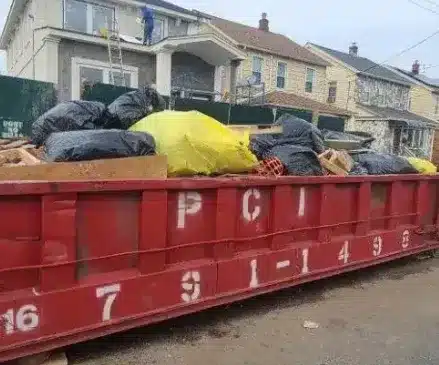
Placement guidelines for dumpsters in the NYC metropolitan area are strict and must be followed to avoid penalties. Users should consider the following:
- Zoning Regulations: Check local zoning laws to ensure compliance with placement rules.
- Traffic Considerations: Avoid placing dumpsters in high-traffic areas to minimize disruption.
- Safety Measures: Ensure the dumpster is placed in a way that does not obstruct pedestrian pathways or roadways.
- Lighting and Visibility: For nighttime placement, ensure dumpsters are well-lit or marked with reflective materials to prevent accidents.
Local authorities can provide specific guidelines and contacts for any questions regarding placement. Additionally, some areas may require notification to neighbors or posting of signage indicating the dumpster’s presence and duration.
Compliance with Environmental Protection Standards
Adhering to environmental protection standards is essential for responsible waste disposal. Users must ensure that their waste is disposed of in compliance with local environmental regulations. This includes:
- Proper Waste Segregation: Separate recyclable materials from general waste.
- Hazardous Waste Handling: Follow specific guidelines for disposing of hazardous materials, which may require special permits or facilities.
- Regular Inspections: Be prepared for inspections by local authorities to ensure compliance with environmental standards.
- Use Licensed Disposal Facilities: Ensure that waste is transported to and processed at authorized facilities to prevent environmental contamination.
What Are the Key Dumpster Rental Regulations in Long Island?
Key dumpster rental regulations in Long Island focus on ensuring public safety and environmental protection. Users must be aware of local laws regarding dumpster placement, required permits, and waste disposal practices. Understanding these regulations helps users avoid fines and promotes responsible waste management. Additionally, regulations may include noise restrictions during dumpster delivery and pickup, as well as requirements for securing the dumpster to prevent unauthorized dumping.
Which Permits Are Required for Dumpster Rental in Long Island?
Permits required for dumpster rental in Long Island typically include street use permits, construction permits, and environmental permits. The specific requirements can vary by municipality, so it is essential to check with local authorities for detailed information on the application process and associated fees. Some municipalities may also require a certificate of insurance from the rental company to protect against liability.
How Long Can a Dumpster Remain on Public Property?
The duration a dumpster can remain on public property in Long Island varies by municipality, generally ranging from 7 to 30 days. Users should confirm the specific time limits with their local government to avoid penalties. Extensions may be granted upon request, but must be approved in advance. It is important to adhere to these timelines to maintain good standing with local authorities and avoid disruptions to the project.
How to Choose the Right Dumpster Size and Placement in Long Island?
Choosing the right dumpster size and placement involves assessing the volume of waste and considering the type of project. Users should select a size that accommodates their needs and ensure the dumpster is placed in a compliant and accessible location. Consulting with the rental company can provide valuable insights into the appropriate size and placement based on project specifics. Additionally, consider the accessibility for the delivery truck to avoid placement issues.
What Dumpster Size Options Are Available for Residential and Commercial Use?
Available dumpster sizes for residential and commercial use include 10-yard, 20-yard, 30-yard, and 40-yard options. Each size is suited for different types of projects, and selecting the appropriate size is crucial for efficient waste disposal. Rental companies often provide guidance on size selection and may offer custom sizes or specialized containers for unique waste types.
What Are the Dumpster Placement Guidelines in the NYC Metropolitan Area?
Dumpster placement guidelines in the NYC metropolitan area require compliance with zoning regulations, traffic considerations, and safety measures. Users should consult local authorities for specific placement rules to avoid penalties. Additionally, permits may require detailed site plans showing the proposed dumpster location, and users should be prepared to coordinate with neighbors or property managers to minimize inconvenience.
What Items Are Prohibited in Long Island Dumpsters?
Certain items are prohibited from being placed in dumpsters in Long Island, including:
- Hazardous Materials: Chemicals, batteries, and other hazardous waste.
- Electronics: TVs, computers, and other electronic devices.
- Appliances: Refrigerators, freezers, and air conditioners.
- Medical Waste: Sharps, pharmaceuticals, and other biohazardous materials.
- Flammable or Explosive Materials: Gasoline, propane tanks, and fireworks.
Users should check local regulations for a complete list of prohibited items to ensure compliance. Disposal of these items typically requires specialized services to handle them safely and legally.
Which Waste Types Are Restricted or Require Special Handling?
Some waste types in Long Island require special handling or are restricted from regular dumpsters. This includes hazardous waste, electronic waste, and large appliances. Users must follow specific guidelines for disposing of these materials, which may involve contacting specialized disposal services. Additionally, certain construction materials like asbestos or lead-based paint debris require certified removal and disposal procedures to comply with health and safety regulations.
How to Ensure Compliance with Waste Disposal Rules in Long Island?
To ensure compliance with waste disposal rules in Long Island, users should:
- Familiarize Themselves with Local Regulations: Understand the specific rules governing waste disposal in their area.
- Obtain Necessary Permits: Ensure all required permits are obtained before placing a dumpster.
- Follow Proper Waste Segregation Practices: Separate recyclable and hazardous materials from general waste.
- Use Licensed Waste Haulers: Work with authorized companies that comply with local and state waste management laws.
- Maintain Documentation: Keep records of permits, waste manifests, and disposal receipts for accountability and potential inspections.
How Does the Dumpster Rental Permit Application Process Work in Long Island?
The dumpster rental permit application process in Long Island typically involves submitting a form to the local municipality, paying a fee, and providing details about the project. Users should check with their local government for specific requirements and timelines. Some municipalities offer online application portals to streamline the process. It is advisable to apply well in advance of the planned dumpster placement to accommodate processing times.
What Steps Are Involved in Applying for a Dumpster Permit?
Applying for a dumpster permit generally involves the following steps:
- Complete the Application Form: Provide necessary details about the project and dumpster placement.
- Pay the Required Fee: Submit payment as specified by the local municipality.
- Submit Supporting Documents: Include site plans, proof of insurance, or other required documentation.
- Await Approval: Allow time for the local government to review and approve the application.
- Receive Permit and Follow Conditions: Once approved, adhere to any conditions or restrictions outlined in the permit.
Where to Obtain Permits and How to Track Approval Status?
Permits can be obtained from the local municipality’s office or website. Users should keep track of their application status by contacting the local government office directly. Many municipalities provide online tracking systems or customer service contacts to assist applicants. Maintaining communication with the permitting office can help address any issues promptly.
What Are the Costs and Pricing Transparency for Dumpster Rentals in Long Island?
Understanding the costs and pricing transparency for dumpster rentals in Long Island is essential for budgeting. Rental fees can vary based on size, duration, and type of waste. Users should inquire about all potential charges, including delivery, pickup, and any additional fees for non-compliance. Transparent pricing helps avoid unexpected expenses and facilitates better project planning.
How Are Dumpster Rental Fees Structured?
Dumpster rental fees are typically structured based on the following factors:
- Size of the Dumpster: Larger dumpsters generally incur higher rental fees.
- Duration of Rental: Longer rental periods may result in increased costs.
- Type of Waste: Certain types of waste may incur additional fees.
- Location and Accessibility: Difficult delivery locations or special placement requirements may affect pricing.
Are There Additional Charges for Non-Compliance or Special Waste Disposal?
Yes, additional charges may apply for non-compliance with local regulations or for disposing of special waste types. Users should be aware of these potential fees and ensure compliance to avoid unexpected costs. These charges can include fines from municipalities, extra hauling fees, or costs associated with hazardous waste processing.
How to Incorporate Recycling and Sustainability in Dumpster Rental Practices?
Incorporating recycling and sustainability into dumpster rental practices is essential for responsible waste management. Users can take the following steps:
- Separate Recyclables: Ensure recyclable materials are kept separate from general waste.
- Choose Eco-Friendly Disposal Services: Opt for rental companies that prioritize recycling and sustainable practices.
- Educate Others: Promote awareness of recycling practices within the community.
- Reduce Waste Generation: Plan projects to minimize waste and reuse materials when possible.
What Are the Local Recycling Requirements for Dumpster Rentals?
Local recycling requirements for dumpster rentals in Long Island may include specific guidelines on how to separate recyclables and what materials can be recycled. Users should consult local regulations for detailed information. Many municipalities have mandatory recycling laws that require diversion of certain materials from landfills, such as metals, cardboard, and certain plastics.
How Can Renters Ensure Environmentally Responsible Waste Disposal?
Renters can ensure environmentally responsible waste disposal by following local regulations, choosing eco-friendly disposal services, and actively participating in recycling programs. This commitment to sustainability not only benefits the environment but also enhances community well-being. Additionally, renters should request documentation from disposal companies verifying that waste is processed in compliance with environmental standards.
For those seeking “dumpster rental” services, it’s essential to consider all these factors to ensure a smooth and compliant experience.
Frequently Asked Questions
What Should I Do If I Need a Dumpster for More Than the Allowed Duration?
If you find that you need a dumpster for longer than the permitted duration, it is crucial to contact your local municipality as soon as possible. Many areas allow for extensions or additional permits, but this must be arranged before the initial time limit expires. Failing to do so may result in fines or the removal of the dumpster. Always check local regulations to understand the process for extending your rental period.
Can I Rent a Dumpster for a One-Time Event, Like a Community Clean-Up?
Yes, you can rent a dumpster for one-time events such as community clean-ups, yard sales, or neighborhood renovations. However, it is essential to check with your local municipality regarding any specific permits required for temporary use. Additionally, consider the size of the dumpster based on the expected volume of waste generated during the event to ensure efficient disposal.
What Are the Consequences of Not Following Dumpster Rental Regulations?
Not adhering to dumpster rental regulations can lead to various consequences, including fines, penalties, and the potential removal of the dumpster by local authorities. In some cases, repeated violations may result in more severe legal actions or restrictions on future rentals. It is essential to familiarize yourself with local laws to avoid these issues and ensure a smooth rental experience.
What Should I Do If I Accidentally Dispose of Prohibited Items?
If you accidentally dispose of prohibited items in your dumpster, it is important to act quickly. Contact your dumpster rental company immediately to inform them of the situation. They can provide guidance on how to rectify the issue, which may involve retrieving the items or arranging for proper disposal. Taking prompt action can help you avoid potential fines and ensure compliance with local regulations.
Are There Specific Guidelines for Renting Dumpsters for Construction Projects?
Yes, renting dumpsters for construction projects often comes with specific guidelines. You may need to obtain a construction permit, and the dumpster must be placed in compliance with local zoning laws. Additionally, ensure that the dumpster is large enough to accommodate construction debris and that hazardous materials are disposed of according to regulations. Always consult local authorities for detailed requirements related to construction waste disposal.
What isn't allowed in a dumpster?
Items not allowed in dumpsters typically include hazardous materials such as chemicals, batteries, and flammable substances; electronics like TVs and computers; large appliances including refrigerators and air conditioners; medical waste; and other prohibited waste as defined by local regulations. It is important to check with your rental company and local authorities for a complete list of prohibited items to avoid fines and ensure safe disposal.
What are the garbage rules in Long Island?
Garbage rules in Long Island require residents and businesses to follow specific guidelines for waste disposal, including proper segregation of recyclables and general waste, adherence to scheduled pickup times, and compliance with restrictions on prohibited items. Additionally, when using dumpsters, permits may be required, and waste must be disposed of in accordance with local environmental regulations. Following these rules helps maintain community cleanliness and environmental protection.
Conclusion
Understanding the essential dumpster rental regulations in Long Island is crucial for ensuring compliance and avoiding fines. By familiarizing yourself with required permits, placement guidelines, and waste disposal practices, you can promote responsible waste management. Take the next step towards a hassle-free rental experience by consulting local authorities and choosing the right dumpster size for your project. Explore our resources for more information on dumpster rental options today.