

Dumpster Size Guide | Find the Best Size for Your Project
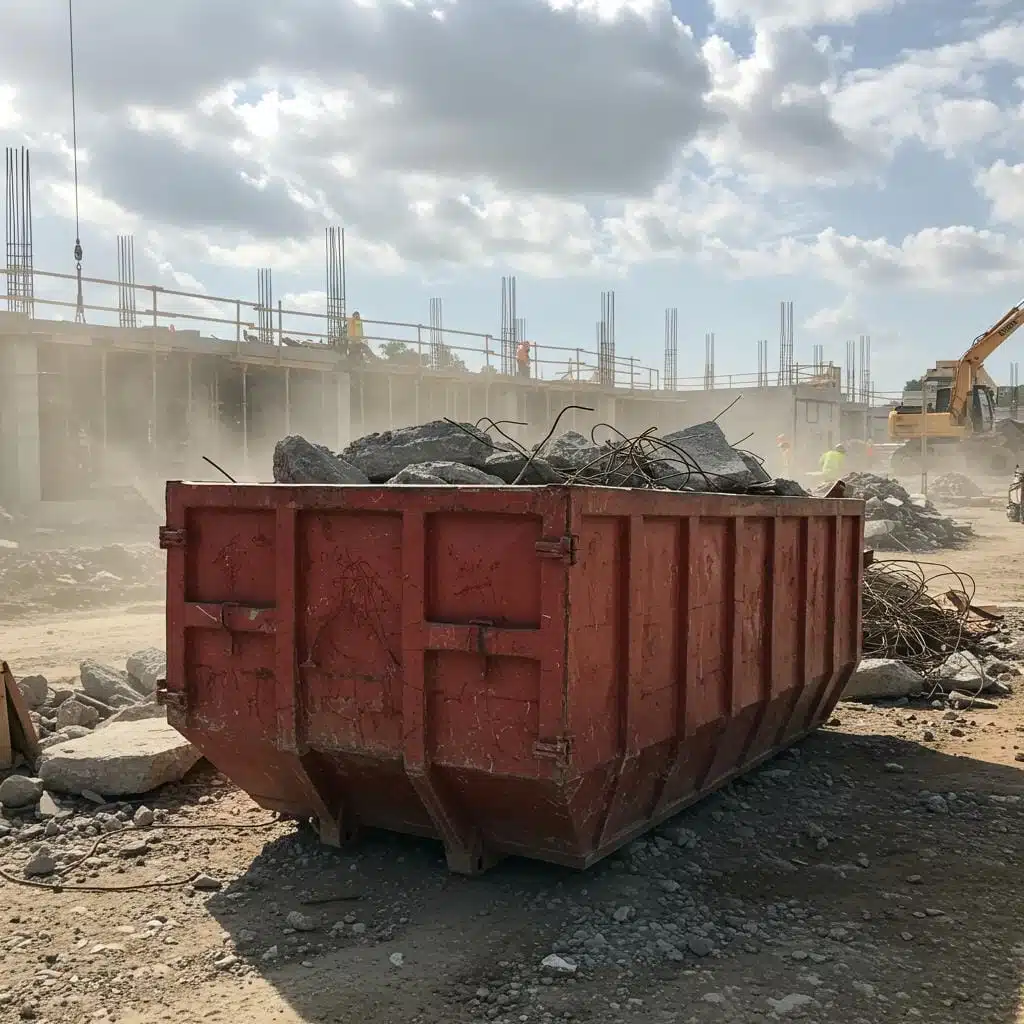
The Ideal Dumpster Size for Your Project: Comprehensive Guide to Choosing the Right Dumpster Rental Size
Selecting the right dumpster size for your project is crucial for efficient waste management and cost-effectiveness. Whether you’re tackling a home renovation, a commercial construction job, or a simple cleanout, understanding the various dumpster sizes available can help you avoid unnecessary expenses and logistical challenges. This comprehensive guide will explore the factors influencing your choice of dumpster size, the available options, and practical tips for making the best selection. By the end of this article, you will have a clear understanding of how to choose the ideal dumpster size for your specific needs, ensuring a smooth and efficient waste disposal process.
Factors to Consider
When selecting a dumpster size, several key factors come into play. Understanding these factors can help you make an informed decision that aligns with your project’s requirements.
- Project Scope and Type: The nature of your project significantly influences the size of the dumpster you will need. Larger projects, such as home renovations or commercial construction, typically generate more waste and require larger dumpsters.
- Volume of Waste: Estimating the volume of waste you expect to generate is essential. This estimation will guide you in selecting a dumpster that can accommodate your needs without overflowing or leaving you with excess space.
- Material Type and Weight: Different materials have varying weights and densities. For instance, concrete and dirt are much heavier than household debris. Understanding the weight of your waste can help you choose a dumpster that meets weight limits and avoids additional fees.
- Location-Specific Considerations: If your project is in Long Island, NY, consider local waste disposal regulations, accessibility for delivery trucks, and any neighborhood restrictions that may affect dumpster placement and size.
Available Size Options
When it comes to dumpster rentals, various sizes are available to cater to different project needs. Here’s a breakdown of the common dumpster sizes and their typical uses:
| Dumpster Size | Typical Use | Weight Limit |
|---|---|---|
| 10-yard dumpster | Small cleanouts or minor renovations | Up to 2 tons |
| 20-yard dumpster | Medium renovations, such as kitchen remodels or roofing projects | Up to 3 tons |
| 30-yard dumpster | Larger construction jobs or significant cleanouts | Up to 4 tons |
| 40-yard dumpster | Major projects, such as large-scale renovations or commercial construction | Up to 5 tons |
Choosing the right size is essential to avoid overage fees or the inconvenience of needing a second dumpster. For those in the NYC Metropolitan area and Long Island, PCI Dumpster Rental offers a range of sizes to meet your specific project needs with local expertise and compliance.
Tips for Selecting the Right Size
Selecting the right dumpster size can be straightforward if you follow these practical tips:
- Measure Your Waste: Before renting a dumpster, take the time to estimate the volume of waste you will generate. This can be done by measuring the dimensions of the items you plan to dispose of.
- Consult Experts: If you’re unsure about the size you need, don’t hesitate to consult with dumpster rental experts familiar with Long Island and NYC regulations. They can provide valuable insights based on your project type and waste volume.
- Plan for Surprises: It’s always wise to plan for unexpected waste. If you’re undertaking a renovation, for example, you may uncover additional debris that requires disposal.
- Consider Local Regulations: In Long Island, NY, be aware of any local ordinances or homeowner association rules that may affect dumpster placement and size.
By following these tips, you can ensure that you select a dumpster size that meets your needs without incurring unnecessary costs.
What Are the Common Dumpster Rental Sizes and Their Capacities?
Understanding the common dumpster sizes and their capacities is vital for effective waste management. Here’s a detailed look at the sizes available:
How Do Different Dumpster Sizes Suit Residential Projects?
For residential projects, the following sizes are typically recommended:
- 10-yard dumpster: Ideal for small cleanouts, such as garage or attic cleanouts.
- 20-yard dumpster: Suitable for medium renovations, like kitchen remodels or roofing projects.
- 30-yard dumpster: Best for larger projects, such as significant home renovations or large cleanouts.
What Dumpster Sizes Are Recommended for Commercial and Construction Projects?
In commercial and construction settings, the following sizes are often recommended:
- 10-yard dumpster: Useful for small jobs, such as minor renovations or cleanouts.
- 20-yard dumpster: Ideal for medium-sized projects, including office remodels or roofing.
- 30-yard and 40-yard dumpsters: Best for large jobs, such as commercial construction or major renovations.
How to Choose the Right Dumpster Size for Your Specific Project Needs?
Choosing the right dumpster size involves assessing your project scope and estimating waste volume. Here are some steps to guide you:
- Assess Project Scope: Determine the scale of your project and the type of waste you will generate.
- Estimate Waste Volume: Use volume calculators or consult with rental providers to get an accurate estimate of the waste you will produce.
- Consult Rental Providers: Engage with dumpster rental companies, especially those serving Long Island, NY, to discuss your project specifics and get recommendations on the appropriate size.
What Factors Should Influence Your Dumpster Size Selection?
Several factors should influence your dumpster size selection, including:
- Volume and Type of Waste: Different projects generate different types of waste, which can affect the size you need.
- Project Scope: Larger projects typically require larger dumpsters to accommodate the increased waste.
- Local Regulations: Be aware of any local regulations in Long Island, NY, that may impact your dumpster rental, including placement and permits.
- Accessibility: Consider the accessibility of your site for delivery trucks, especially in residential neighborhoods or areas with narrow streets common in Long Island.
How Can You Estimate Waste Volume to Avoid Over or Under-Sizing?
Estimating waste volume accurately is crucial to avoid over or under-sizing your dumpster. Here are some methods to help you:
- Identify Material Types: Different materials have different densities. Knowing what you will be disposing of can help you estimate volume more accurately.
- Use Volume Calculators: Many online tools can help you estimate the volume of waste based on the type and quantity of materials.
- Consult Reference Guides: Use guides that provide estimates for common household items to help gauge your waste volume.
- Seek Local Expertise: Rental companies serving Long Island, NY, often have experience with typical project waste volumes in the area and can provide tailored advice.
What Are the NYC and Long Island Dumpster Rental Regulations and Guidelines Affecting Size Selection?
In New York City and Long Island, several regulations and guidelines affect dumpster rentals, including:
- Permits for Public Placement: If you need to place a dumpster on a public street, you may require a permit from the city or local municipality.
- Local Disposal Guidelines: Be aware of local disposal guidelines that dictate what can and cannot be placed in dumpsters.
- Compliance with Regulations: Ensure that your dumpster rental complies with all local regulations to avoid fines or penalties.
- Neighborhood Restrictions: Some Long Island communities have specific rules regarding dumpster placement, size, and duration on private property.
How Do Weight Limits and Rental Duration Affect Your Dumpster Choice?
Weight limits and rental duration are critical factors in your dumpster choice. Here’s how they impact your decision:
- Weight Limits for Different Sizes: Each dumpster size has a specific weight limit. Exceeding this limit can result in additional fees.
- Cost Implications of Rental Duration: The longer you keep a dumpster, the more it may cost. Plan your rental duration based on your project timeline.
- Planning for Project Needs: Consider your project needs and how they align with the weight limits and rental duration to avoid unexpected costs.
What Are the Cost Considerations for Different Dumpster Sizes in NYC and Long Island?
Cost considerations for dumpster rentals in NYC and Long Island can vary based on several factors:
- Cost Variations by Size: Larger dumpsters typically cost more to rent than smaller ones.
- Additional Fees for Weight: If you exceed the weight limit, additional fees may apply.
- Rental Duration Impacts: Longer rental periods can increase overall costs, so plan accordingly.
- Local Market Rates: Prices may vary between NYC and Long Island due to differences in demand, disposal fees, and transportation costs.
What Are the Best Practices for Renting a Dumpster in the NYC Metropolitan Area and Long Island?
To ensure a smooth dumpster rental experience, consider these best practices:
- Assess Project Scale: Understand the scale of your project to choose the right size.
- Choose the Right Size: Select a dumpster that meets your waste disposal needs without being excessively large.
- Consider Local Regulations: Be aware of local regulations that may affect your rental, including permits and placement guidelines.
- Work with Local Providers: Choosing local companies familiar with Long Island and NYC regulations can streamline the rental process and ensure compliance.
How to Prepare Your Site for Dumpster Delivery and Pickup?
Preparing your site for dumpster delivery and pickup is essential for a smooth process. Here are some steps to follow:
- Identify a Suitable Location: Choose a location that is easily accessible for the delivery truck.
- Clear the Area: Ensure the area is free of obstacles to facilitate easy delivery and pickup.
- Check Surface Stability: Make sure the ground is stable enough to support the weight of the dumpster.
- Consider Neighborhood Restrictions: In Long Island, some neighborhoods may have specific rules about dumpster placement; check with local authorities or your rental provider.
What Are the Benefits of Choosing Local Dumpster Rental Services Like PCI Dumpster Rental?
Choosing local dumpster rental services, such as PCI Dumpster Rental, offers several advantages:
- Fast Delivery and Pickup: Local providers can often deliver and pick up dumpsters more quickly than national chains.
- Transparent Pricing: Local companies typically offer straightforward pricing without hidden fees.
- Local Expertise: Local providers understand the specific needs and regulations of the NYC Metropolitan area and Long Island, ensuring compliance and efficiency.
- Personalized Customer Service: Local companies often provide more personalized service tailored to your project and location.
To ensure you get the best service in Queens, Long Island, and surrounding areas, consider dumpster rental Queens for your next project.
When selecting a dumpster size, several key factors come into play. Understanding these factors can help you make an informed decision that aligns with your project’s requirements.
For those in the NYC Metropolitan area and Long Island, consider local options to meet your specific project needs.
Frequently Asked Questions
What should I do if I'm unsure about the dumpster size I need?
If you're uncertain about the appropriate dumpster size for your project, it's best to consult with dumpster rental experts. They can provide tailored advice based on the specifics of your project, including the type of waste and estimated volume. Additionally, many rental companies offer online calculators or guides to help you assess your needs. Taking the time to gather this information can save you from potential overages or the inconvenience of needing a second dumpster later on.
Are there any restrictions on what can be placed in a dumpster?
Yes, there are typically restrictions on what can be placed in a dumpster. Most rental companies prohibit hazardous materials, such as chemicals, batteries, and certain electronics. Additionally, items like tires and appliances may also have specific disposal guidelines. It's essential to check with your rental provider for a complete list of prohibited items to avoid fines and ensure compliance with local regulations. Proper disposal of restricted items is crucial for environmental safety and legal adherence.
How can I prepare my site for dumpster delivery?
Preparing your site for dumpster delivery involves several key steps. First, identify a suitable location that is easily accessible for the delivery truck. Clear the area of any obstacles, such as vehicles or debris, to facilitate a smooth drop-off. Additionally, ensure that the ground is stable enough to support the weight of the dumpster. Taking these steps will help ensure a hassle-free delivery and pickup process, allowing you to focus on your project without unnecessary delays.
How do I determine what size dumpster I need?
To determine the right dumpster size, start by estimating the volume and type of waste your project will generate. Consider the scope of your project and the materials involved. You can measure the dimensions of the debris or use online volume calculators provided by rental companies. Consulting with dumpster rental experts can also help you select a size that fits your needs without overpaying for unused space or risking overflow.
What does a 20 cubic foot dumpster look like?
A 20 cubic foot dumpster is relatively compact and typically measures about 6 feet long, 4 feet wide, and 3 feet high. It is suitable for small cleanouts or minor renovation projects that generate a moderate amount of waste. This size is often used for disposing of household debris, small amounts of construction waste, or yard cleanup materials.
What can fit in a 5 yard dumpster?
A 5 yard dumpster is one of the smallest sizes available and is ideal for very small projects such as minor home cleanouts, small landscaping jobs, or single-room renovations. It can typically hold about 5 cubic yards of waste, which is roughly equivalent to the volume of a few pickup truck loads. This size is perfect for disposing of items like old furniture, small amounts of construction debris, or yard waste.
Conclusion
Choosing the right dumpster size is essential for effective waste management and can save you time and money on your project. By understanding the various sizes and factors influencing your choice, including local considerations for Long Island, NY, you can ensure a smooth disposal process tailored to your needs. Don’t hesitate to consult local experts for personalized advice and options that fit your project requirements. Explore our services today to find the perfect dumpster rental for your next project.