

Dumpster Rental Best Practices | Maximize Rental Value
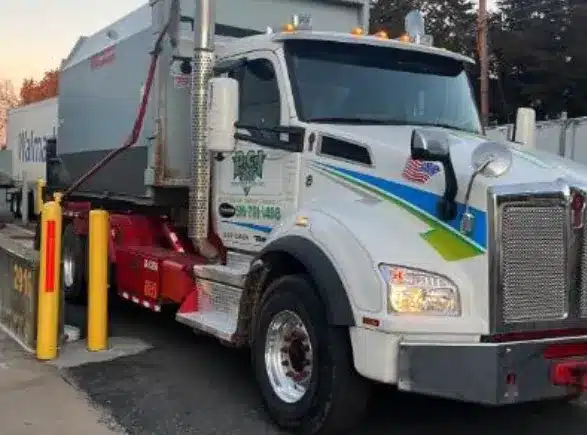
Why Best Practices Matter in Dumpster Rental: Essential Tips and Guidelines for Efficient Waste Disposal
In the realm of waste management, understanding best practices in dumpster rental is crucial for both residential and commercial projects. These practices not only ensure compliance with local regulations but also promote efficient waste disposal and environmental sustainability. This article delves into the significance of adhering to best practices in dumpster rental, highlighting essential tips and guidelines that can streamline the process. Many individuals and businesses face challenges in managing waste effectively, leading to potential fines and environmental harm. By implementing best practices, you can mitigate these risks and enhance your waste management strategy. We will explore key areas such as local regulations, waste organization, safety practices, and the role of PCI Dumpster Rental in supporting these best practices.
Understand Local Regulations
Understanding local regulations is fundamental when renting a dumpster. Each municipality has specific rules governing waste disposal, including what materials can be disposed of and how dumpsters should be placed. Compliance with these regulations is essential to avoid fines and ensure that waste is managed responsibly. Local regulations often dictate the types of materials that can be disposed of, such as hazardous waste, construction debris, and recyclable materials. Failure to comply can result in significant penalties, making it imperative to familiarize yourself with these guidelines before renting a dumpster.
Obtain Necessary Permits
Obtaining the necessary permits is a critical step in the dumpster rental process. Many areas require permits for dumpster placement, especially if the dumpster will be located on public property or in a residential area. The types of permits needed can vary based on location and the size of the dumpster. The application process typically involves submitting a request to the local government, which may take several days to process. It’s important to plan ahead to avoid delays in your project. Additionally, be aware of potential fines for non-compliance, which can add unexpected costs to your waste management budget.
Organize Waste Effectively
Organizing waste effectively is key to maximizing the use of your dumpster and minimizing disposal costs. Proper organization involves breaking down large items, separating recyclables from general waste, and ensuring that the dumpster is filled efficiently. By breaking down large items, you can create more space in the dumpster, allowing for more waste to be disposed of at once. Separating recyclables not only helps the environment but can also reduce disposal fees, as many recycling facilities charge lower rates than landfills. Maximizing space usage ensures that you get the most out of your rental, reducing the need for additional pickups.
Safe Loading Practices
Implementing safe loading practices is essential for both the safety of individuals and the integrity of the dumpster. Proper weight distribution is crucial to prevent tipping and ensure that the dumpster can be safely transported. Avoiding hazards, such as sharp objects or heavy materials that exceed the weight limit, is also important. Following loading guidelines provided by the rental company can help ensure that the dumpster is loaded correctly and safely. This not only protects workers but also minimizes the risk of damage to the dumpster itself.
Schedule Timely Pickups
Scheduling timely pickups is a vital aspect of effective waste management. Delays in pickup can lead to additional fees and can hinder the progress of your project. To avoid these issues, it’s important to plan ahead and communicate your schedule with the rental company. By scheduling pickups in advance, you can ensure that your waste is removed promptly, allowing for a smoother workflow. Additionally, timely pickups help maintain a clean and safe work environment, reducing the risk of accidents and health hazards.
Communicate Special Needs
Communicating any special needs to your dumpster rental company is crucial for ensuring that your waste management requirements are met. This includes informing the company about hazardous materials, specific service requests, or any unique circumstances that may affect the rental. By clearly communicating your needs, you can ensure that the rental company provides the appropriate services and equipment. This proactive approach helps prevent misunderstandings and ensures that your waste is handled safely and efficiently.
Reduce Waste Before Disposal
Reducing waste before disposal is an effective strategy for minimizing environmental impact and lowering disposal costs. Conducting a waste audit can help identify areas where waste can be reduced, such as reusing materials or donating items that are still in good condition. Identifying reusable items not only helps the environment but can also save you money on disposal fees. By minimizing waste volume, you can also reduce the size of the dumpster needed, leading to further cost savings.
Utilize Eco-Friendly Practices
Utilizing eco-friendly practices in waste disposal is becoming increasingly important in today’s environmentally conscious society. Choosing sustainable companies that prioritize recycling and waste reduction can significantly impact your environmental footprint. Implementing recycling programs within your organization can also promote responsible waste management. By reducing landfill contributions, you can help protect the environment and contribute to a more sustainable future.
Educate on Waste Management
Educating yourself and your team on waste management best practices is essential for effective waste disposal. Engaging with rental services can provide valuable insights into proper waste segregation and disposal methods. Learning about eco-friendly techniques and local regulations can empower you to make informed decisions regarding waste management. This knowledge not only enhances compliance but also promotes a culture of sustainability within your organization.
Key Dumpster Rental Tips for Successful Waste Management
When it comes to successful waste management, several key tips can guide you through the dumpster rental process:
- Choosing the Right Dumpster Size: Assess your project scope and the types of waste you will be disposing of to select the appropriate dumpster size. Consulting with experts can help ensure you make the right choice.
- Understanding Rental Processes: Familiarize yourself with the steps involved in the dumpster rental process, including selecting the right size, understanding rental terms, and scheduling delivery.
- Compliance with Regulations: Ensure that you are aware of local regulations and obtain any necessary permits to avoid fines and ensure responsible waste disposal.
Choosing the Right Dumpster Size for Your Project
Choosing the right dumpster size is crucial for effective waste management. Assessing your project scope involves considering the volume and type of waste you will be generating. For smaller projects, such as home renovations, a 10-15 yard dumpster may suffice, while larger construction projects may require a 30-40 yard dumpster. Consulting with rental experts can provide valuable insights into the best size for your specific needs, ensuring that you do not overpay for unnecessary space or run out of capacity.
Steps to Follow in the Dumpster Rental Process
Following the correct steps in the dumpster rental process can streamline your experience. Start by selecting the right size dumpster based on your project requirements. Next, understand the rental terms, including pricing, duration, and any additional fees. Finally, schedule the delivery of the dumpster to coincide with your project timeline, ensuring that it arrives when you need it most. By adhering to these steps, you can facilitate a smooth rental experience.
Dumpster Rental Regulations and Compliance in NYC
In New York City, dumpster rental regulations play a significant role in ensuring compliance with local waste management laws. Understanding permit requirements is essential for avoiding fines and ensuring that waste is disposed of properly. Regulations often dictate the types of materials that can be disposed of and the placement of dumpsters on public property. Familiarizing yourself with these regulations can help you navigate the complexities of waste management in NYC.
Permits Required for Dumpster Rental in NYC Boroughs
When renting a dumpster in NYC, specific permits are required based on the borough in which you are operating. Common permits include street permits for placing dumpsters on public roads and special permits for hazardous waste disposal. The application process typically involves submitting a request to the local government, which may take several days to process. Understanding the types of permits needed and the application process can help you avoid delays and ensure compliance.
Ensuring Regulatory Compliance When Renting a Dumpster
Ensuring regulatory compliance when renting a dumpster involves several key steps. First, familiarize yourself with local regulations regarding waste disposal and dumpster placement. Next, obtain any necessary permits before the dumpster is delivered. Finally, communicate with your rental provider to ensure that they are aware of your compliance needs. By following these steps, you can mitigate the risk of fines and ensure responsible waste management.
Safety and Environmental Best Practices in Dumpster Rental
Safety and environmental best practices are essential in the dumpster rental process. Safe handling guidelines should be followed to prevent accidents and injuries during loading and unloading. Waste segregation is also crucial for ensuring that recyclable materials are disposed of properly. Compliance with regulations regarding hazardous materials is necessary to protect both workers and the environment. By adhering to these best practices, you can promote a safe and responsible waste management process.
Maintaining Safety During Dumpster Use and Placement
Maintaining safety during dumpster use and placement involves several key practices. First, ensure that the area is clear of obstacles before placing the dumpster. Use protective measures, such as gloves and hard hats, when loading materials. Proper placement of the dumpster is also crucial to prevent tipping and ensure safe access for workers. By following these safety measures, you can minimize the risk of accidents and injuries.
Eco-Friendly Waste Disposal Practices to Follow
Following eco-friendly waste disposal practices is essential for promoting sustainability. Conducting a waste audit can help identify areas where waste can be reduced or recycled. Proper segregation of materials ensures that recyclables are disposed of correctly, while choosing eco-friendly companies for waste disposal can further reduce your environmental impact. By implementing these practices, you can contribute to a more sustainable waste management process.
Cost Factors Influencing Budgeting for Dumpster Rental
Cost factors play a significant role in budgeting for dumpster rental. Understanding the key expenses involved, such as base rates, additional fees, and pricing models, is essential for effective financial planning. Many rental companies offer different pricing structures based on the size of the dumpster and the duration of the rental. By comparing options and understanding the factors that influence costs, you can make informed decisions that align with your budget.
Typical Pricing Components for Dumpster Rental
Typical pricing components for dumpster rental include base rates, which cover the rental period and the weight limit, as well as additional fees for exceeding weight limits or keeping the dumpster longer than agreed. Understanding these components can help you budget effectively and avoid unexpected costs. Many rental companies provide transparent pricing, allowing you to compare options and select the best value for your needs.
Comparing Dumpster Rental Options for Best Value
Comparing dumpster rental options for the best value involves evaluating several key factors. Consider the cost factors associated with each rental, including base rates and additional fees. Assess the service features offered by different companies, such as delivery times and customer support. Finally, read customer reviews to gauge the reliability and quality of service provided by each rental company. By taking these factors into account, you can make an informed decision that meets your needs and budget.
How PCI Dumpster Rental Supports Best Practices in Waste Management
PCI Dumpster Rental plays a vital role in supporting best practices in waste management. The company offers a range of services designed to facilitate efficient dumpster rental, including expert guidance on selecting the right dumpster size and understanding local regulations. PCI is committed to environmentally friendly options, providing sustainable waste disposal solutions that align with community initiatives. Their transparent pricing ensures that customers are fully informed of costs, promoting trust and satisfaction.
Services PCI Offers to Facilitate Efficient Dumpster Rental
PCI Dumpster Rental offers several services to facilitate efficient dumpster rental. These include:
- Diverse Service Offerings: A variety of dumpster sizes to accommodate different project needs.
- Customer Support: Expert guidance on waste management best practices and local regulations.
- Rental Process: Streamlined processes for scheduling deliveries and pickups, ensuring timely service.
These services are designed to enhance the customer experience and promote responsible waste management practices.
PCI’s Commitment to Fast Service and Customer Trust
PCI ensures fast service and builds customer trust through its commitment to transparency and reliability. The company prioritizes quick response times for inquiries and efficient scheduling for dumpster deliveries and pickups. By providing clear information about pricing and services, PCI fosters a sense of trust with its customers. This dedication to customer satisfaction sets PCI apart in the competitive dumpster rental market, making it a preferred choice for many in the NYC Metropolitan area. If you’re in Queens and need a dumpster rental, consider reaching out to a local provider for your waste management needs.
Frequently Asked Questions
How can I reduce costs when renting a dumpster?
To reduce costs when renting a dumpster, consider several strategies. First, choose the right size dumpster to avoid overpaying for unused space. Organizing waste effectively can also minimize the number of pickups needed. Additionally, separating recyclables can lower disposal fees, as many recycling facilities charge less than landfills. Finally, scheduling timely pickups can prevent extra charges for extended rental periods.
What should I do if I need to extend my dumpster rental period?
If you need to extend your dumpster rental period, contact your rental company as soon as possible. Most companies allow extensions, but it's crucial to inform them to avoid additional fees or penalties. Be prepared to discuss the new rental duration and any potential cost changes. Planning ahead can help ensure that your project continues smoothly without interruptions.
How can I find a reliable dumpster rental service?
Finding a reliable dumpster rental service involves researching and comparing options. Look for companies with positive customer reviews and a solid reputation in your area. Check their service offerings, pricing transparency, and responsiveness to inquiries. Additionally, consider asking for recommendations from friends or colleagues who have used dumpster rental services. A reliable provider will prioritize customer satisfaction and adhere to best practices in waste management.
What are the environmental benefits of using a dumpster rental service?
Using a dumpster rental service can have several environmental benefits. It promotes responsible waste disposal by ensuring that materials are sorted and sent to appropriate facilities, such as recycling centers. Many rental companies prioritize eco-friendly practices, helping to reduce landfill contributions. By utilizing a dumpster service, you can also streamline waste management processes, making it easier to implement sustainable practices within your project or organization.
What are common dumpster rental mistakes?
Common dumpster rental mistakes include choosing the wrong dumpster size, failing to obtain necessary permits, and not understanding local regulations. Other errors involve improper waste segregation, overfilling the dumpster, and neglecting to schedule timely pickups. These mistakes can lead to additional fees, project delays, and environmental harm. Being aware of these pitfalls can help you avoid costly issues and ensure a smooth rental experience.
What to know before renting a dumpster?
Before renting a dumpster, it is important to assess the volume and type of waste you will generate, understand local regulations and permit requirements, and select the appropriate dumpster size. Additionally, consider the rental terms, including duration, pricing, and any restrictions on materials. Planning your waste disposal strategy and communicating any special needs to the rental company can help ensure efficient and compliant service.
What cannot go into a rented dumpster?
Items that typically cannot go into a rented dumpster include hazardous materials such as chemicals, paints, batteries, asbestos, and medical waste. Other prohibited items may include tires, propane tanks, explosives, and certain electronics. It is essential to check with your rental company and local regulations to understand specific restrictions, as improper disposal of these materials can result in fines and environmental damage.
Conclusion
Implementing best practices in dumpster rental not only ensures compliance with local regulations but also enhances efficiency in waste management. By understanding local guidelines, organizing waste effectively, and utilizing eco-friendly practices, you can significantly reduce environmental impact and disposal costs. Engaging with a reliable service like PCI Dumpster Rental can further streamline your experience and support sustainable practices. Start optimizing your waste management strategy today by exploring our services and resources.