

Construction Dumpster Rental Benefits for Queens Projects
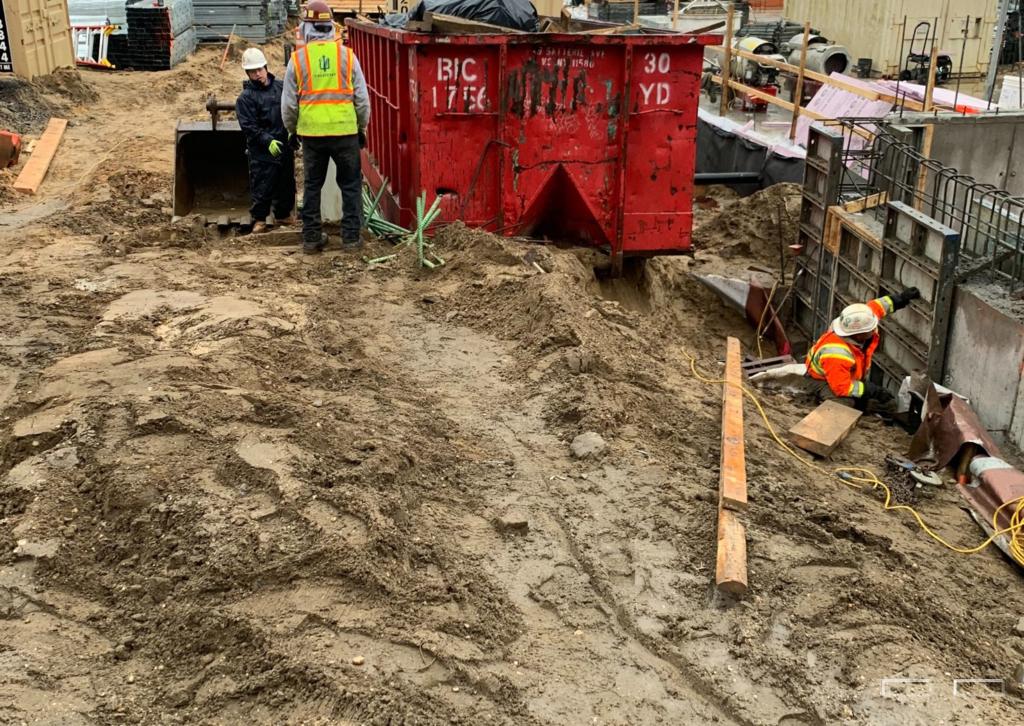
Benefits of Using Specialized Construction Dumpsters: Optimizing Construction Waste Disposal and Costs in NYC
By Anthony Forte, Dumpster Rental & Carting | PCI Contracting Inc.
The construction industry generates significant waste that must be managed effectively to ensure environmental compliance and cost-efficiency. Specialized construction dumpsters offer tailored solutions for waste disposal, catering to various project sizes and types. Utilizing these dumpsters not only streamlines waste management processes but also contributes to cost savings and enhanced safety on construction sites. In this article, we will explore the benefits of using specialized construction dumpsters, the types available, their environmental advantages, and how companies like PCI Dumpster Rental can support project success.
What Are the Key Types and Sizes of Construction Dumpsters Available?
When it comes to construction dumpsters, there are various sizes and types available to meet the specific needs of different projects. Understanding these options is crucial for selecting the right technology for waste removal. Some of the key types include:
- 10-Yard Dumpster: Ideal for small residential projects, this dumpster can typically handle a maximum weight of up to 2 tons.
- 20-Yard Dumpster: Suitable for medium-sized renovations, allowing for a maximum weight of up to 3 tons.
- 30-Yard Dumpster: Used for larger projects, such as whole-home renovations, with a weight limit of approximately 45 tons.
- 40-Yard Dumpster: Designed for major demolition projects, accommodating a maximum weight of over 6 tons.
Choosing the right size is essential not only for compliance with weight limits but also for optimizing disposal costs.
10-Yard Dumpster
The 10-yard dumpster is best suited for small cleanouts, such as minor remodeling or yard waste removal. It is compact, making it easy to place in tight areas, which is beneficial for residential projects.
20-Yard Dumpster
Ideal for medium renovations, including kitchen remodels or garage cleanouts, the 20-yard dumpster provides ample space while maintaining a manageable footprint. It strikes a balance between capacity and cost.
30-Yard Dumpster
The 30-yard dumpster is a popular choice for larger renovation projects or substantial cleanouts. Its increased capacity allows for handling more extensive waste, making it a favorite among general contractors.
40-Yard Dumpster
For major construction activities, such as large commercial demolitions or large-scale site cleanups, the 40-yard dumpster is essential. Its size supports heavy debris and larger project waste disposal effectively.
How Do Roll-Off and Front Load Dumpsters Differ for Construction Use?
Roll-off dumpsters are designed with an open top, making them easy to load from different angles, which is particularly useful during construction projects where various materials are disposed of simultaneously. In contrast, front-load dumpsters are typically used for ongoing waste management and are more suited for businesses with continuous waste output. The key differences lie in their accessibility, loading methods, and typical applications on construction sites.
Which Construction Dumpster Sizes Best Fit Different Project Scopes?
Choosing the right dumpster size for your project scope can save costs and enhance efficiency. Depending on the project, the following recommendations apply:
Residential Projects
- 10-Yard: Best for small cleanouts or minor renovations.
- 20-Yard: Ideal for kitchen or bathroom remodels.
Commercial and Construction Projects
- 30-Yard: Suitable for commercial renovations, which often generate significant waste.
- 40-Yard: Necessary for major commercial projects to handle bulky debris, ensuring proper onsite organization.
Using the right dumpster not only optimizes disposal but also reduces the risk of overloading, which can lead to fines and complications.
How Does Renting Specialized Construction Dumpsters Benefit Project Efficiency and Safety?
Renting specialized construction dumpsters contributes significantly to on-site efficiency and safety. These dumpsters ensure that waste is quickly and securely disposed of, minimizing clutter and hazards on the job site. More specifically, these services can lead to:
- Improved Project Efficiency: Specialized dumpsters streamline waste processes, allowing workers to focus on the tasks without interruptions caused by waste accumulation.
- Enhanced Safety: By providing designated disposal areas, the likelihood of accidents and injuries from clutter significantly decreases.
For contractors looking to enhance their operational efficiency, utilizing rental services from organizations like PCI Dumpster Rental ensures timely and reliable waste management solutions that bolster project performance.
What Are the Environmental Advantages of Using Proper Construction Dumpsters?
Using specialized construction dumpsters plays a vital role in encouraging environmentally responsible disposal practices. These benefits include:
- Sustainability: Many dumpsters come equipped to facilitate recycling materials, which reduces landfill contributions.
- Compliance: Utilizing proper waste disposal methods helps in complying with local waste management regulations, making it easier to adhere to sustainability goals.
With the correct approach to waste management, construction companies can minimize their environmental impact and enhance their sustainability initiatives.
How Do Specialized Dumpsters Enhance On-Site Safety and Site Cleanliness?
Specialized dumpsters keep construction sites clean and organized by providing a dedicated space for waste disposal. This organization helps eliminate clutter on-site, leading to:
- Immediate Waste Disposal Benefits: Reducing on-site waste prevents injuries that can arise from tripping or falling debris.
- Clutter Elimination: A well-managed site leads to a safer and more efficient working environment.
Contractors can benefit greatly from maintaining cleanliness on-site through the use of appropriate dumpster sizes.
What Is the Standard Rental Process for Construction Dumpsters in the NYC Metropolitan Area?
The rental process for construction dumpsters in New York City typically involves several straightforward steps:
- Consultation and Sizing: Determine the right dumpster size based on project type and expected debris.
- Booking: Schedule the dumpster delivery, often with same-day options available.
- Permitting: Depending on the specific site, necessary permits may be required, particularly for street placement.
Companies like PCI Dumpster Rental streamline this process, ensuring clients have the right solutions to meet their project needs promptly.
What Permits Are Required for Dumpster Rental in NYC Boroughs?
In New York City, renting a dumpster may require specific permits, especially if the dumpster will occupy public space such as streets or sidewalks. These permits are crucial for ensuring compliance with local regulations, and understanding the application process is key for contractors.
- Street Permits: Often necessary when placing dumpsters on public roads.
- Public Space Use Permits: Required for dumpsters affecting pedestrian pathways.
Businesses must be thorough in their understanding of these permit requirements to avoid penalties and delays.
How Does the Booking and Delivery Process Work with PCI Dumpster Rental?
PCI Dumpster Rental offers a streamlined booking process for improved customer experience. The steps typically include:
- Inquiries: Clients reach out for a consultation based on their project needs.
- Quote: Following the consultation, a tailored quote is provided for the selected dumpster size.
- Delivery Scheduling: Once confirmed, delivery is arranged, often within 24-48 hours, allowing for flexibility in project timelines.
This efficient process helps contractors receive the support they need quickly, ensuring project continuity.
What Are the Typical Costs and Pricing Factors for Construction Dumpster Rentals in NYC?
Various factors influence the costs associated with dumpster rentals in New York City. Key considerations include:
- Size of Dumpster: Larger dumpsters typically incur higher rental fees.
- Rental Duration: Longer rentals can lead to increased overall costs.
- Type of Waste: Certain materials may incur additional fees due to disposal regulations.
How Do Dumpster Size and Rental Duration Influence Overall Costs?
The size of the dumpster and the duration of the rental play critical roles in determining total costs. For instance, while a 10-yard dumpster may cost around $300 for a week, a 40-yard dumpster could reach $700 due to its larger capacity and typical use for longer projects.
What Additional Fees Should Customers Expect in Dumpster Rental Pricing?
Customers should be aware of potential additional fees that could arise, including:
- Weight Overages: Fees for exceeding the weight limit.
- Late Fees: Charges applicable for extended rental beyond the agreed period.
- Hazardous Waste: Higher disposal fees for specific materials that require special handling.
Awareness of these factors helps in budgeting correctly for construction projects.
How Do Specialized Construction Dumpsters Support NYC's Waste Management and Sustainability Goals?
Specialized construction dumpsters play a pivotal role in supporting New York City’s goals for waste management and sustainability by helping construction sites reduce their landfill contributions and promoting recycling initiatives. Companies like PCI Dumpster Rental provide solutions that align with these objectives, making collaborative efforts towards a greener city possible.
What Are the Latest NYC Construction Waste Disposal Regulations Affecting Dumpster Use?
Recent regulations in New York City have aimed to enhance waste disposal methods in construction, ensuring that projects comply with updated sustainability initiatives. Staying informed on these regulations enables contractors to remain compliant and avoid potential legal challenges.
How Do PCI Dumpster Rental Services Align With Environmental Compliance?
PCI Dumpster Rental ensures adherence to local regulations through responsible practices. This commitment not only fosters compliance but establishes a standard of care towards environmental sustainability, showing a proactive approach to the industry’s challenges.
| Dumpster Size | Max Weight | Typical Cost |
|---|---|---|
| 10-Yard | 2 tons | $300 |
| 20-Yard | 3 tons | $350 |
| 30-Yard | 45 tons | $450 |
| 40-Yard | 6+ tons | $700 |
This table illustrates the relationships between dumpster sizes, their maximum weight limits, and typical rental costs, helping customers choose the most effective option for their projects.
By understanding the benefits of using specialized construction dumpsters, contractors can optimize waste disposal operations and contribute to local sustainability efforts while ensuring compliance with any applicable regulations. To explore specific service areas, consider reviewing dumpster rental Queens options.
Frequently Asked Questions
1. What factors should I consider when choosing a construction dumpster rental?
When selecting a construction dumpster rental, consider the size of the project, the type of waste you'll be disposing of, and your budget. Understanding the weight limits for each dumpster type is crucial to prevent overloading fees. Additionally, evaluate your project's timeline, as some companies may offer expedited services for urgent needs. Always inquire about any specific regulations regarding waste disposal in your area, which can influence your choice significantly.
2. Are there certain materials that cannot be disposed of in construction dumpsters?
Yes, there are specific materials that cannot be disposed of in standard construction dumpsters. This typically includes hazardous waste such as asbestos, chemicals, and certain electronic items. Additionally, heavy materials like concrete or dirt may often have restrictions or additional fees. It's important to verify with the rental service about the acceptable waste types to ensure compliance with local laws and regulations.
3. How do I prepare for a dumpster delivery at my construction site?
Preparing for a dumpster delivery involves several steps. First, ensure there is a clear, accessible location for the dumpster on your construction site. This area should be free from overhead obstacles such as power lines. You may also need to secure any necessary permits, especially if the dumpster will be placed on public property. Lastly, notify your team about the dumpster's arrival to manage loading efficiently once it's delivered.
4. What is the impact of improper waste disposal on construction projects?
Improper waste disposal on construction sites can lead to severe consequences, including hefty fines, legal issues, and delays in project timelines. It can also harm the environment, contributing to pollution and hazards in nearby communities. Furthermore, inadequate waste management can increase operational costs over time due to potential penalties and the need for additional cleanup efforts. Sticking to proper disposal guidelines is essential for project success and sustainability.
5. Can I extend my dumpster rental period if needed?
Yes, most dumpster rental companies allow you to extend your rental period, though this generally incurs additional charges. It's advisable to communicate your needs to the rental service as soon as you realize you may require more time. Discuss the fees associated with an extension upfront to avoid surprises. Planning ahead ensures that your project remains on schedule without disruptions caused by dumpster availability.
6. What are the advantages of using a local dumpster rental service in NYC?
Using a local dumpster rental service in NYC offers numerous advantages, including familiarity with local laws and regulations, quicker response times, and personalized customer service. Local companies can provide better insights into the specific construction waste disposal practices in your area. Additionally, they tend to have a better understanding of neighborhood dynamics, which results in more efficient delivery and pickup processes.
7. How can businesses ensure they are compliant with NYC construction waste regulations?
To ensure compliance with NYC construction waste regulations, businesses should stay informed about local laws regarding waste disposal and recycling. Regularly review guidelines provided by the Department of Sanitation and engage with local dumpster rental services knowledgeable about compliance standards. It can also be beneficial to provide training to staff on proper waste management practices and maintain clear communication with rental companies regarding any changes in local regulations.
Conclusion
Utilizing specialized construction dumpsters significantly enhances waste management efficiency while promoting safety and compliance on job sites. These tailored solutions not only reduce environmental impact but also help in minimizing costs associated with improper waste disposal. By partnering with expert services like PCI Dumpster Rental, businesses can streamline their project operations and prioritize sustainability. Discover how our dumpster rental options can support your next construction project today.